Work patterns are shifting as teams balance remote tasks with in-person collaboration. Shared offices support this shift by giving access to structured spaces without long-term limits. People can choose when to work together or focus alone based on daily needs.
This approach supports steady output while allowing better control over time use. Many businesses adopt this method to stay organized and adaptable across changing demands, with options like Shared Office – Taipei offering well-designed environments that enhance both focus and collaboration.
Adaptive Workspace Planning Approach
Work areas can be arranged to match different tasks throughout the day. Quiet sections help people concentrate while open areas support group interaction. This mix keeps activities organized without causing confusion or delay. Teams can switch between tasks smoothly as needs change.
Balanced Team Collaboration Systems
Collaboration becomes easier when spaces support both planned and casual interaction. Teams can gather for meetings without interrupting others who need silence. This balance helps maintain steady work while still encouraging teamwork.
- Teams can meet quickly without disturbing others working on focused tasks
- Shared zones allow idea exchange while keeping work areas structured
- Clear boundaries help people manage tasks without losing productivity
- Group sessions improve planning without affecting individual performance
- Flexible seating supports both solo work and team coordination smoothly
This structure helps maintain clarity while improving how teams connect daily.
Scalable Workspace Access Options
Businesses benefit from having access to spaces that match changing team sizes. Instead of fixed arrangements, they can adjust usage based on current needs. This flexibility allows smoother growth without unnecessary pressure.
Workflow Consistency Across Teams
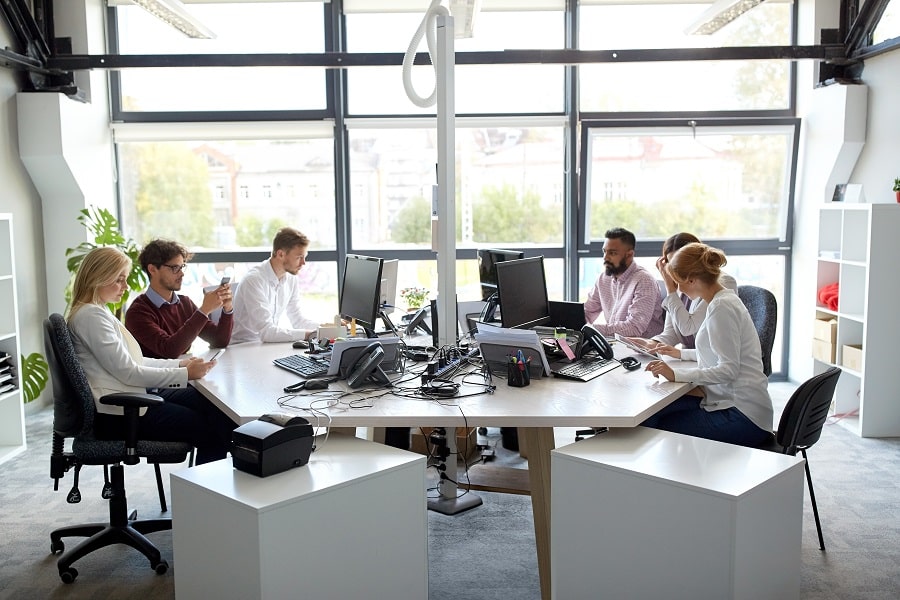
Consistency becomes easier when people follow clear working patterns across locations. Shared offices help maintain routine by offering structured environments that support daily tasks. This keeps work steady even when team members are not in the same place.
Shared guidelines and organized layouts help reduce confusion. The Shared Office – Taipei supports smooth coordination between individuals working in different setups. This approach keeps progress aligned and prevents delays.
Employee Productivity And Wellbeing
A well-arranged space supports both performance and personal comfort. People can choose environments that match their tasks, which helps maintain focus. This flexibility improves output without causing stress or fatigue.
- Workers can select quiet areas that support deep focus tasks daily
- Open sections encourage natural interaction without creating unnecessary distractions
- Flexible schedules allow a better balance between work and personal needs
- Comfortable seating helps reduce strain during longer working hours
- Structured layout supports consistent routines that improve overall efficiency
This approach helps people stay engaged while maintaining steady performance.
Hybrid work continues to reshape how teams function each day. Structured shared environments provide a practical way to manage this change without losing efficiency. Businesses benefit from improved adaptability while keeping operations stable.
FAQ
How do shared offices support hybrid work for growing businesses today?
They provide flexible spaces that adapt to changing team size and needs.
Why do companies prefer flexible workspaces over fixed traditional setups now?
They reduce long commitments while supporting both remote and in-person work.
What benefits do employees gain from hybrid workspace arrangements daily?
They gain better focus options while maintaining a balance between tasks and collaboration.
在不斷演變的商業環境中,靈活的共享辦公空間如何協助混合辦公模式的推行
隨著團隊在兼顧遠距任務與線下協作之間尋求平衡,工作模式正經歷轉變。共享辦公空間透過提供結構化的辦公環境——且不受長期合約的束縛——為這一轉變提供了有力支持。人們可以根據日常工作的實際需求,自由選擇是進行團隊合作,還是專注於獨立工作。
這種模式既有助於維持穩定的工作產出,也能讓人更能掌控時間分配。許多企業正紛紛採納這項策略,以確保在面對不斷變化的需求時,依然能保持井井有條且具備高度的適應性;其具體選項包括:共享辦公室 台北 提供精心設計的工作環境,提升專注力和協作效率。
自適應工作空間規劃法
工作區域可根據一天中不同的任務進行靈活佈置。安靜區域有助於集中註意力,而開放區域則支援團隊互動。這種組合方式既能保持工作井然有序,又不會造成混亂或延誤。團隊可以根據需求的變化流暢地切換任務。
平衡的團隊協作系統
當空間既支援計畫內的互動,也支援非正式的交流時,協作就會變得更加輕鬆。團隊成員可以聚集在一起開會,而不會打擾到其他需要安靜環境的人。這種平衡有助於保持穩定的工作節奏,同時又能促進團隊合作。
- 團隊可以快速開會,而不會打擾到其他正在專注工作的人
- 共享區域允許思想交流,同時保持工作區域的秩序
- 清晰的邊界有助於人們管理任務,而不會降低工作效率
- 小組會議可以改善計劃,而不會影響個人績效
- 靈活的座位安排既支援個人工作,又能流暢地進行團隊協作
這種結構有助於保持清晰的溝通,同時改善團隊的日常聯繫。
可擴展的工作空間存取選項
企業可以從能夠訪問與不斷變化的團隊規模相匹配的空間中受益。他們可以根據當前需求調整使用方式,而不是採用固定的佈局。這種靈活性有助於企業平穩發展,而不會產生不必要的壓力。跨團隊工作流程一致性
當人們在不同地點遵循清晰的工作模式時,一致性就更容易實現。共享辦公室透過提供支援日常任務的結構化環境來幫助維持日常工作流程。即使團隊成員不在同一個地點,也能確保工作的穩定性。
共享的指導方針和井然有序的佈局有助於減少混亂。共享辦公室 台北 它有助於在不同工作模式的個體之間實現順暢的協作。這種方式能確保工作進度一致,並有效避免延誤。
員工生產力與身心健康
精心規劃的空間既能提升工作績效,也能兼顧個人的舒適體驗。員工可以根據具體任務選擇最適合的環境,有助於保持專注。這種靈活性在提升工作產出的同時,又不會引發額外的壓力或疲勞。
- 員工每天都可以選擇安靜的區域,以便進行需要高度專注的深度工作。
- 開放式區域鼓勵自然的互動交流,且不會產生不必要的干擾。
- 彈性的工作行程有助於員工更好地平衡工作與個人生活需求。
- 舒適的座椅設計有助於減輕長時間工作帶來的身體疲勞與不適。
- 結構化的空間佈局有助於建立穩定的工作節奏與習慣,進而提升整體工作效率。
這種工作模式有助於激發員工的敬業度,並確保工作表現始終保持穩定。
混合辦公模式正持續重塑團隊的日常運作方式。結構化的共享辦公環境提供了一種切實可行的方法,既能適應這種變革,又能確保工作效率不會受損。企業不僅能從中獲得更強的適應能力,還能確保各項營運工作保持穩健。
常見問題 (FAQ)
共享辦公室如何為當今處於成長期的企業提供混合辦公支援?
它們提供靈活多變的空間,能夠自在適應團隊規模及需求的不斷變化。
為何現今的企業更傾向選擇彈性辦公空間,而非傳統的固定式辦公室佈置?
彈性辦公空間有助於避免長期租賃承諾帶來的束縛,並能同時滿足遠距辦公與現場辦公的需求。
員工從混合辦公空間安排中能獲得哪些日常效益?
員工能夠獲得更多樣化的專注工作環境選擇,並在處理個人任務與進行團隊協作之間實現良好的平衡。